medical tourism india
expert doctors and high end medical facilities
Get the most affordable medical care in the world without
sacrificing quality
make an appointment

follow us on


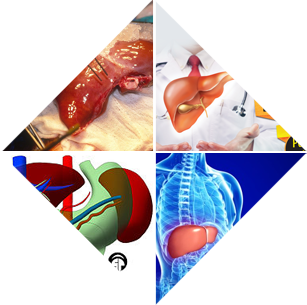
Liver Transplant
A liver transplant is a surgical procedure to remove a diseased liver and replace it with a healthy liver from a donor. Most liver transplant operations use livers from deceased donors, though a liver may also come from a living donor. Liver transplant is a treatment option for people who have end-stage liver failure that can't be controlled using other treatments and for some people with liver cancer. Liver failure can occur rapidly, in a matter of weeks (acute liver failure), or it can occur slowly over months and years (chronic liver failure).
Liver failure has many causes, including:
- Liver cirrhosis
- Biliary duct atresia
- Cystic fibrosis
- Early-stage liver cancer
- Hemochromatosis
- Primary biliary cirrhosis
- Primary sclerosing cholangitis
- Wilson's disease
Indications for liver transplant include:
- Hepatitis B
- Hepatitis C
- Alcohol induced cirrhosis
- Autoimmune Hepatitis
- Liver tumors
- Acute/fulminant liver failure
Complication
As with any other surgical procedure, complications may arise after liver transplantation. Liver transplant surgery carries a risk of significant complications, including:
- Bile duct complications, including bile duct leaks or shrinking of the bile ducts
- Bleeding
- Blood clots
- Failure of donated liver
- Infection
- Memory and thinking problems
- Rejection of donated liver
Bleeding
There is a small risk of bleeding from the place where the
donor and recipient blood vessels were sewn together
(Anastomosis site). This is minimized by monitoring clotting
factors in the blood after surgery.
- Quick Links
-
Find your Hospitals

-
Latest News
- @Rotography Please kindly use Support Forum: Medical.co.uk
- @Rotography Please kindly use Support Forum: Medical.co.uk
- @Rotography Please kindly use Support Forum: Medical.co.uk
-
Get in Touch with us
-
Address : (JAC UNITED )
Vishnu Commercial Bldg, A Wing, Office No. 402,
Sec 15, C.B.D. Belapur, Navi Mumbai.
E-mail: info@asiamedcare.com
-
Address : (JAC UNITED )
© copyright 2023. all rights reserved by asiamedcare
Design & Developed:
WEI